Geniuses are a mysterious and eccentric bunch. Take Einstein for example. Crazy hair, tongue sticking out. He’s all over the theory of relativity, but less so the theory of taking a good profile photo.
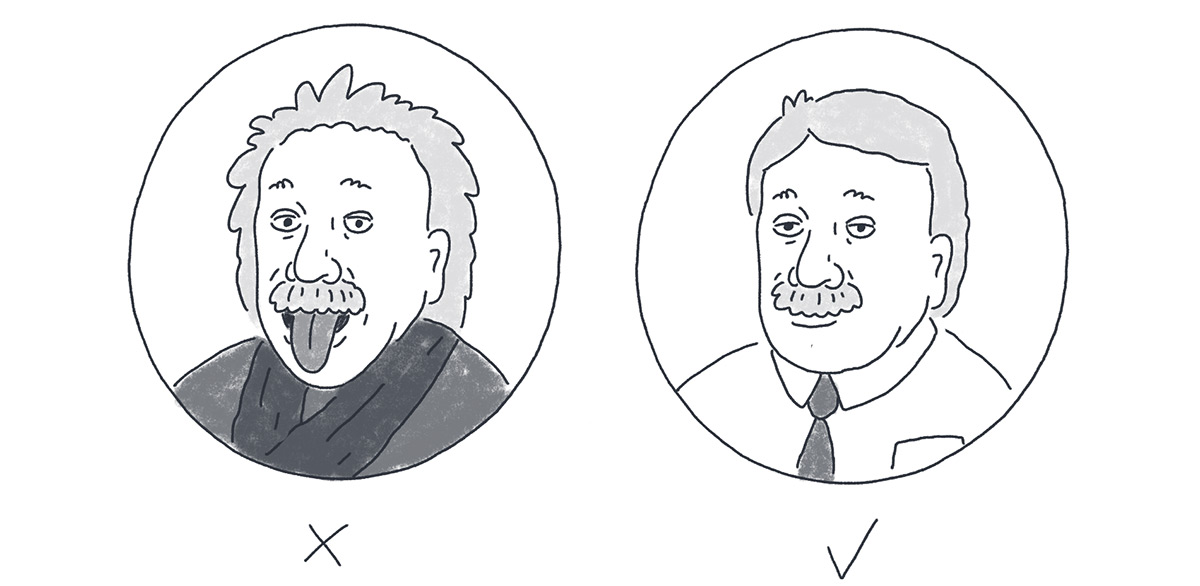
Geniuses don’t care for our rules. They’re too busy crushing it in life, winning Nobel Prizes, overachieving and pretty much just being way better than us.
Professor Craig Wright, via his book ‘The Hidden Habits of Genius’, has some good news for all us simpletons though. In it he tells us how we might unlock some of our own greatness, by delving into some fascinating case studies of history’s highest achievers, and unpacking some key habits and behaviours we can incorporate into our own life.
As mentioned briefly in my previous post, one of those key habits is maintaining a childlike view of the world into your adult life.
Einstein, probably when asked about his hair situation, explains in writing to a friend: “The pursuit of truth and beauty is a sphere of activity in which we are all permitted to remain children all our lives”. He strongly believed in the "connection between creativity and a childlike mind”.
Tech companies know this too. There’s a reason for all those ping pong tables and egg shaped meeting pods. Youthful creativity happens at play. Jeff Bezos, while still at the helm at Amazon, explained that: “You have to have a certain childlike ability to not be trapped by your expertise”.
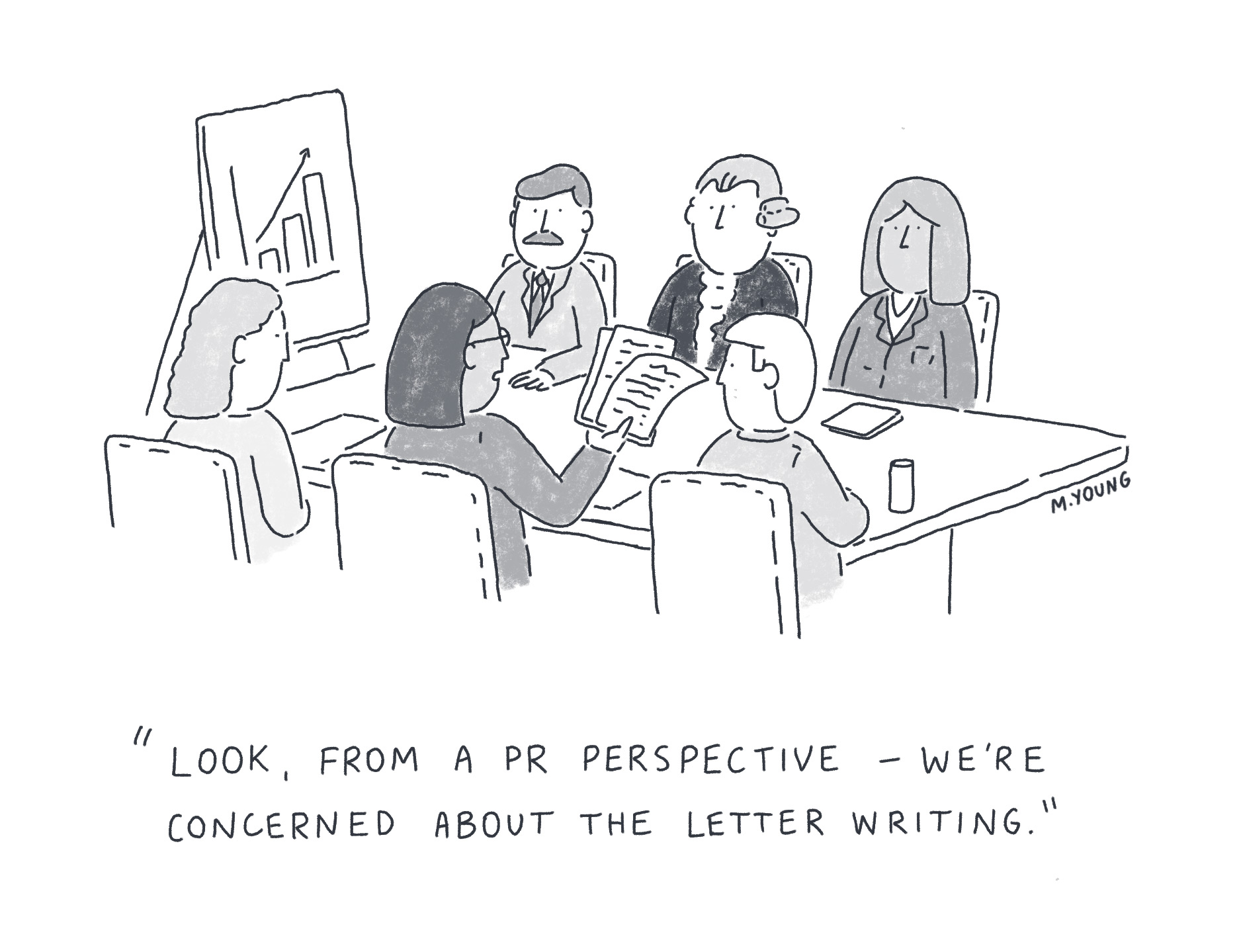
Mozart, legit musical genius, was another that refused to grow up. His childish nature was expressed via the cool hobby of writing potty mouth letters to his sister:
“Well, I wish you good night, but first shit in your bed and make it burst. Sleep soundly, my love, into your mouth your arse you’ll shove…. Oh, my arse is burning like fire! What on earth does it mean? Perhaps some muck wants to come out? Why yes, muck, I know, see and smell you…and…what is that? - Is it possible?…Ye gods! - can I believe those ears of mine? Yes indeed, it is so-what a long and melancholy note!”
This mindset may have helped his music, but clearly anyone who had Mozart drop into their DM’s is likely to have suffered some mild form of trauma.
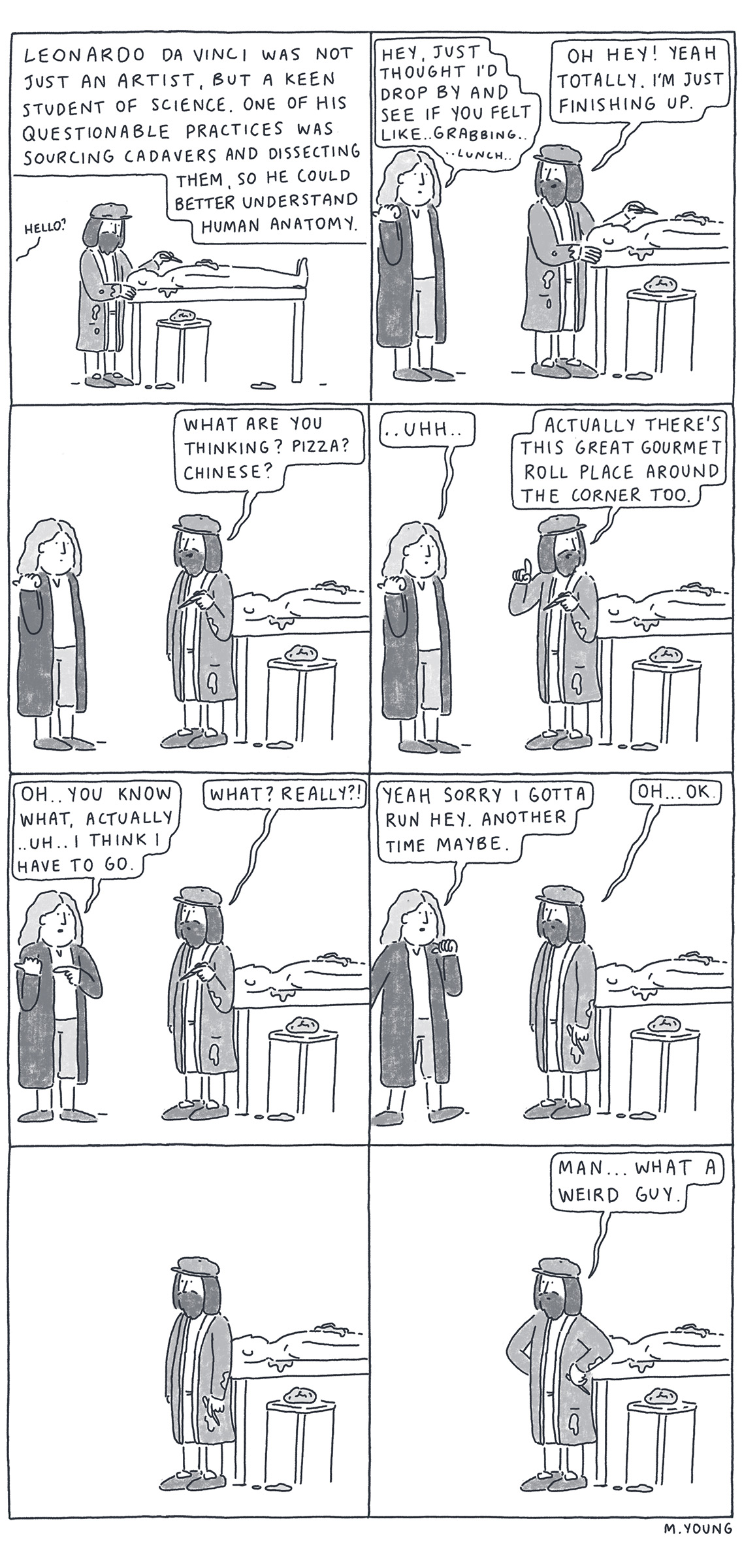
Curiosity, sometimes to the point of obsession, is another common trait. Demonstrated by Leonardo da Vinci with his interest in cutting up dead bodies.
Long before the time of Google Images, da Vinci’s notoriously obsessive curiosity led him to rolling up his sleeves and opening up cadavers. Not just to fill a Sunday afternoon, but so he could better understand the human body.
And while this curiosity can lead you to undertaking some home surgery for your next side project, it’s also that crossover and merging of different domains and skills that can bring about creative breakthroughs. Lin-Manuel Miranda, with a liberal arts degree in theatre studies behind him, came up with the hit play ‘Hamilton' after reading an exhaustive biography of Alexander Hamilton while on holiday. An unlikely merging of two areas, theatre and political history, became a massive success.
And along with creative play and the power of taking walks, perhaps one of the most surprising insights of the book, and a moment of triumph for all the C grade students out there, was the idea that high IQ had no correlation to becoming a genius.
A famous “genius test” conducted at Stanford from the 1920’s to the 1990’s, failed to produce any geniuses from a cohort of students with high IQ’s over 135.
Consider the careers of Charles Darwin, Winston Churchill and even Nobel Prize winners William Shockley and Luis Alvarez (who both failed to get into the Stanford genius test because of low IQ scores). All struggled academically and went on to achieve great things. Even Thomas Edison struggled in school. Sorry Thomas, I know you created the lightbulb and everything but I’m afraid it’s back to dum-dum school with you.

If you were looking for ways to unlock your inner creative genius, writing super creepy letters filled with toilet language is probably not the solution.
What Wright does in his book is give all of us licence to embrace our inner weirdo. To cultivate a childlike imagination, embrace lifelong learning and letting our inquisitiveness and curiosity take us in a wide rather than narrow approach to life. And to relax and wander, letting the moments of genius come to us.
Whether it’s those of us having creative breakthroughs late in life (Grandma Moses didn't become a successful painter until age 78), or helping to guide future generations.
And if, like me, you’re feeling bitter and resentful about the fact that you may never reach these dizzying heights during your life, it’s worth reassuring yourself with the knowledge that plenty of geniuses were also kind of jerks. Not all mind you, but quite a few.
As the writer Edmond de Goncourt says in this savage blow: “No one loves the genius until he is dead”.
Because creating an iPhone is pretty awesome, but so is being invited to people’s houses.